here is some (kinda) good news about drinking water pollution
March 4 marked a significant step in water regulators and oil company relations in California. Here are some key take away points from an article on thinkprogress.com
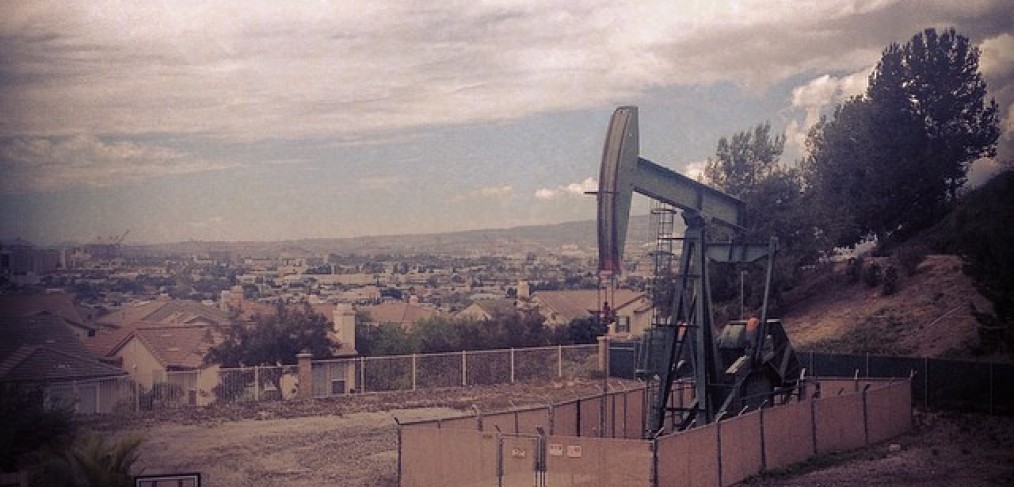
On Tuesday, California regulators ordered a dozen oil and gas wells to cease production over concerns that the wells may be contaminating groundwater.
California, oil, and water have a very rich history. Here are some fun facts about it:
- California is the third-highest oil producing state after Texas and North Dakota
- California is home to 50,000 injection wells that have been operating in various capacities for decades.
- In 2014, California produced 205.3 million barrels of oil.
- In 2014, California also produced more than 3.3 billion barrels of water as a byproduct of oil production
Woah! Hold up.
205.3 million barrels of oil compared to 3.3 billion barrels of water.
That means that there were 3 billion 94 million 700 thousand more barrels of water than oil produced due to oil well injection practices in California in 2014.
According to the California Department of Conservation, [the water] is “usually very brackish and unsuitable for human use.”
So…Where does all that water go?
That brackish water is typically injected back into the reservoir where it came from.
That is a lot of dirty water to be putting back into the earth. It is important to remember that all water is constantly interconnected. No matter how big picture or microscopically you look at water, it is all interconnected when it exists in the natural system. Injecting brackish water back into the ground will ultimately lead to pollution of the drinking groundwater too.
The article continues on to outline some troublesome facts about the laspses in regulation with regard to oil production and water quality. The EPA has demanded that state resource control boards come up with a solution to ban aquifer pollution by 2017. A task that is seemingly feasible, although still duanting, until the article points out that:
Major oil and gas companies such as Chevron, ExxonMobil, and Occidental Petroleum pumped more than $7.5 million into the pro-oil coalition Californians for Energy Independence in an attempt to defeat the bans, according to the California Secretary of State’s campaign finance database.
The good news, in all this, is that there is attention being drawn to the problems caused by injection wells in regards to drinking water quality. Even if it is only 12 wells that have been stopped. For now, that is progress, and we must keep fighting for what more progress in that direction can do and encourage our policy makers and regulators to do the same.